OHSU awarded $6.5 million to improve rural health

Oregon Health & Science University has been awarded $6.5 million in federal funding over the next two years for six projects to improve healthcare in rural Oregon.
The awards, announced Tuesday by the Oregon Health Authority, are among $97.1 million in federal funding to improve health and wellbeing in Oregon’s rural communities. The money is from Oregon’s portion of a five-year, $50 billion program Congress created last year through H.R.1. The bill also legislates almost $1 trillion in Medicaid spending cuts nationwide over the next 10 years.

“This program does not offset the impact of H.R.1 cuts, but it does offer an opportunity to invest in important programs to improve healthcare delivery in rural Oregon,” said Robert Duehmig, director of the Office of Rural Health at OHSU.
OHSU President Shereef Elnahal, M.D., M.B.A., called the grants an important step for rural health.

“I am extraordinarily proud of our OHSU teams, but not surprised — OHSU is committed to rural communities throughout our state, and these funds will allow our work to grow,” Elnahal said. “I recently had the opportunity to visit the Street Nursing Team at our Ashland campus, and I saw firsthand what a difference that program makes for houseless people in that rural community. These new awards will enhance OHSU’s mission to serve Oregonians in every corner of our state.”
OHSU was awarded funding for the following projects over the next two years through the federal Rural Health Transformation Program:
Oregon Perinatal Collaborative, OHSU: $2 million
The award is designed to improve care and outcomes for rural mothers with substance use disorders in Oregon. The Oregon Perinatal Collaborative will provide statewide coordination, technical assistance and clinical leadership to support local Nurture Oregon sites and other perinatal substance use disorder work across rural Oregon.
OHSU Section of Addiction Medicine: $1.2 million
The award will expand an existing OHSU initiative that dramatically improves the diagnoses and treatment of people living with hepatitis C. The funding combines telemedicine with the support of people who have lived experience in illicit drug use to deliver same-day diagnosis and treatment for hepatitis C, the most common blood-borne virus in the United States. The new award will expand the program to Curry, Klamath and Lincoln counties.
OHSU Northwest Native American Center of Excellence: $1 million
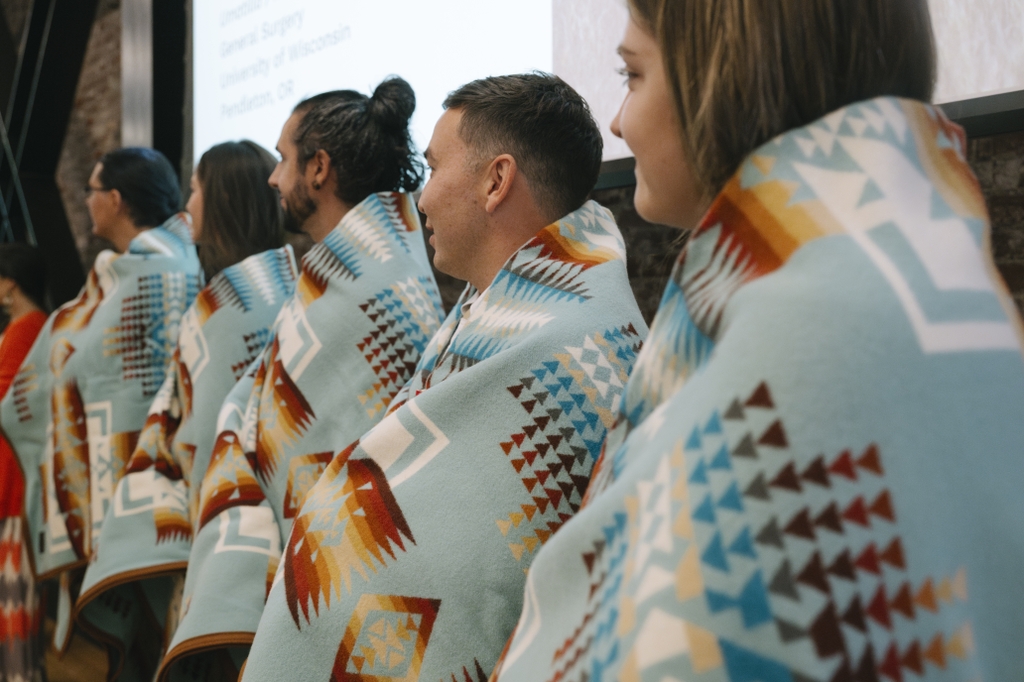
The award will support a paid externship program known as Tribal Health Scholars, inspiring American Indians and Alaska Natives in high school to envision themselves as healthcare professionals. The award will double the number of participants at new and existing sites in Oregon.
OHSU Department of Neurology: $970,000
The award will improve treatment and support of caregivers living with dementia in rural areas of Oregon by deploying an online tool known as Cognitive Health Review Information System, originally developed at the University of Colorado by Peter Pressman, M.D., a behavioral neurologist who is now with OHSU’s Layton Aging & Alzheimer’s Disease Center. The system involves rural patients and caregivers completing assessments using validated questionnaires paired with digital cognitive tests.
Oregon Office of Rural Health at OHSU: $794,000
The award will help to expand the Mobile Integrated Health program, known as MIH, through the Oregon Office of Rural Health at OHSU. MIH strengthens the integration of services, care continuity and follow-up, and optimizes limited emergency medical service resources in rural and remote areas. The grant will allow the program to provide technical assistance to establish new MIH programs in rural and remote communities throughout Oregon.
OHSU Center for Excellence on Development and Disability: $615,000
The Pathways for Rural Oregon Students to Healthcare and Disability Careers project is based on the OHSU University Center for Excellence in Developmental Disabilities’ longstanding Summer Internship Program, which the center has hosted for 25 years. The Pathways project is designed as a comprehensive, six-month healthcare career pathway designed specifically for rural high school students.
Through mentorship, paid internships, disability-focused education and exposure to Oregon’s only academic health center, Pathways prepares rural students for healthcare careers while addressing barriers to participation in rural communities. By building a sustainable pathway of future rural healthcare professionals equipped to serve individuals with intellectual and developmental disabilities, the program strengthens Oregon’s rural healthcare workforce and improves long-term access to high-quality, coordinated care.