
New research from Oregon Health & Science University shows that additional vitamin C intake during pregnancy can be an effective, low-cost and accessible intervention to promote infant emotional well-being.
The study, published today in Developmental Psychology, found that mothers with higher levels of stress during pregnancy tend to have lower vitamin C intake, which increases their offsprings’ risk for mental health disorders. However, supplemental vitamin C given during pregnancy could potentially decrease this risk.
Adequate maternal nutrient intake during pregnancy is critical for fetal development, and OHSU researchers have previously linked poor nutrition during pregnancy to increased risk for certain infant behavioral health and temperament outcomes.
Now, clinicians and researchers are investigating what specific nutritional interventions could be implemented during pregnancy to offset those risks.

“A strong body of research shows that the intrauterine environment shapes cardiometabolic health. We’re now learning how it also influences brain development and infant behavioral health,” known as socioemotional development, said lead author Elizabeth Wood, Ph.D., assistant professor of psychiatry in the OHSU School of Medicine. “As we learn more, we’re focusing on what we can do to promote healthy outcomes.
“Our top priority is the health of the pregnant woman and her baby. If there are evidence-based recommendations we can make to support patients during pregnancy and promote healthy brain development in their babies, that’s something we want to pursue and make widely accessible.”
Benefits of vitamin C
Pregnancy involves increased demand for vitamin C, but about 25% of pregnant women in the United States consume less than what is required, Wood said. Additionally, dietary vitamin C is primarily obtained from fruits and vegetables, which can be expensive and difficult to access for some people, especially for low-income individuals and those living in remote areas.
Maternal prenatal stress has significant impacts on diet and nutrition, researchers note, often contributing to a lack of key nutrients in the mother, which can then influence their infant’s socioemotional development — meaning how they learn secure bonds and understand and manage their emotions. Given its anti-oxidative and stress-regulating properties, researchers hypothesized that supplemental vitamin C, taken daily as a pill, could potentially reduce that risk.
This study also aimed to understand the differences between dietary and supplemental sources of vitamin C — from food versus a supplement — and measure their impact on infant neurodevelopment, with the goal to improve clinical guidance and policy recommendations around nutrition in pregnancy.
Researchers collected and analyzed mental health and nutrition data from over 300 pregnant women, including measuring vitamin C intake through food sources and supplements. First, maternal mental health was assessed using standardized clinical measures of depression, anxiety and stress; then, trained dietitians repeatedly facilitated calls with study participants to capture data on dietary consumption and determine total vitamin C intake.
Finally, when study participants’ infants were approximately 6 months old, caregivers completed a questionnaire to explore infant behavioral characteristics and temperament in the home environment. Analyses of these data showed that mothers who reported higher levels of stress during pregnancy — and thus lower levels of vitamin C intake — were more likely to have infants who showed negative emotions, such as fussiness and distress, at 6 months of age, which can be an early indicator for risk of future mental health disorders.

But, encouragingly, supplemental vitamin C intake during pregnancy was a significant mediator for negative emotions in infants, suggesting it may provide significant protective benefits to the fetal environment and the process in which a baby’s brain develops, said senior author Elinor Sullivan, Ph.D., professor of psychiatry and behavioral neuroscience in the OHSU School of Medicine.
“The most encouraging takeaway here is that nutrition is relatively modifiable, especially when people have adequate resources and support,” Sullivan said. “Vitamin C supplements are inexpensive, easy to access and something patients can start incorporating immediately and consistently into their daily lives.
“This seemingly small change could make a huge impact for children and families down the line.”
Improving access to nutrition
Researchers say these results further underscore the importance of comprehensive prenatal care, including targeted nutritional counseling and increased food access.
To promote healthy nutrition during pregnancy, experts at the OHSU Center for Women’s Health developed the My Pregnancy Plate model, which emphasizes balance, variety and moderation. The center also offers one-on-one counseling with a registered dietitian to support patients’ nutritional needs and goals.
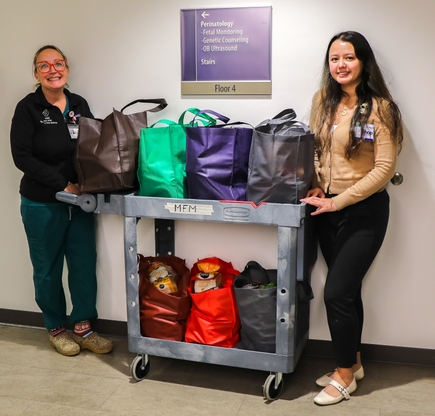
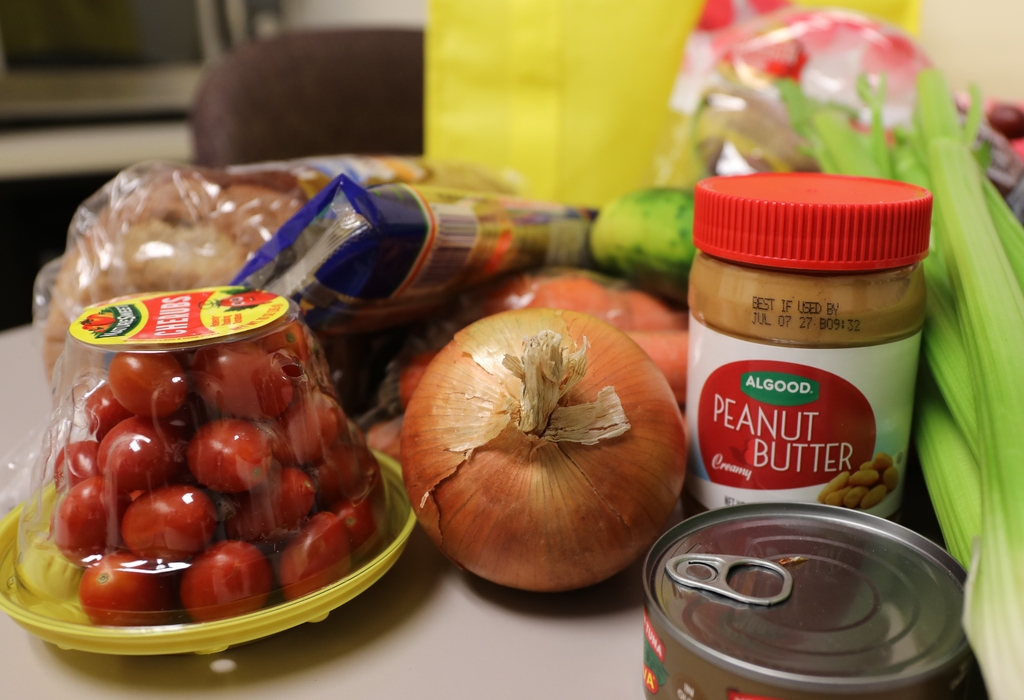
OHSU experts are also working to ensure all patients can provide consistent, nutritionally dense food for themselves and their growing families. This year, the Nourish program at OHSU Doernbecher Children’s Hospital launched a new offering to support nutrition and food access for high-risk pregnant patients: Each week, in partnership with Portland Adventist Community Services, volunteers provide bags of groceries — fresh produce, peanut butter, rice, beans and other healthy staples — to patients at OHSU’s Maternal-Fetal Medicine Clinic who screened positive for food insecurity.
Looking ahead, researchers hope this study and future related work will provide additional information on the optimal prenatal diet, and continue to move the needle on improving access to healthy foods and nutritional interventions during pregnancy.
The research team also plans to follow the study subjects as they grow to determine how these interventions may continue to mitigate long-term risk and impact clinical diagnosis.
“Nutrition is a crucial component for a healthy pregnancy, and as we’re learning more and more, also for a healthy early childhood,” Wood said. “By removing barriers to food access and making nutrition counseling a priority for patients receiving prenatal care, we can make a difference for the health of mothers and babies for years to come.”
This research was funded by the National Institute of Mental Health, under grant numbers R01MH117177 (ELS & JTN), R01MH124824 (ELS & JTN), and K01MH120507 (HCG). The project was also supported by UL1TR002369, TL1TR002371 (EKW), and KL2TR002370 (EKW) from the National Center for Advancing Translational Sciences and by K12AR084221 (EKW) from the National Institute of Arthritis and Musculoskeletal and Skin Diseases. The content is solely the responsibility of the authors and does not necessarily represent the official views of the National Institutes of Health.