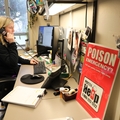
Oregon Poison Center
The Oregon Poison Center provides critical services to prevent poisoning and support to families and health care providers, managing over 21,000 calls from the community per year. (OHSU/Christine Torres Hicks)
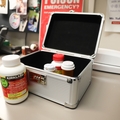
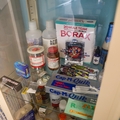
Oregon Poison Center
The Oregon Poison Center provides critical services to prevent poisoning and support to families and health care providers, managing over 21,000 calls from the community per year. (OHSU/Christine Torres Hicks)

BICC Library
The library inside the Biomedical Information Communication Center (BICC) at Oregon Health & Science University (OHSU) on Marquam Hill in Portland, Oregon. Located on the third floor, the space supports study, research, and academic collaboration. (OHSU/Christine Torres Hicks)

BICC Library entrance

Honora Englander, M.D.
Honora Englander, M.D., OHSU School of Medicine professor of hospital medicine. (OHSU)
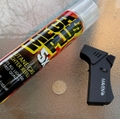
Soplete de butano y recarga
Nueva investigación dirigida por la Oregon Health & Science University encontró que más de la mitad de las personas tratadas por quemaduras graves en hospitales y salas de emergencias desde hace casi una década también fumaban otras drogas que no eran tabaco. Las personas que usaban drogas ilícitas reportaron un amplio uso de sopletes de butano diseñados para cocinar. (Erik Robinson/OHSU)

Mark Thomas, M.D. (OHSU)
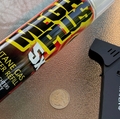
butane_social
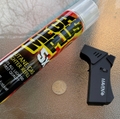
Butane torch and refill
New research led by Oregon Health & Science University found more than half of people treated for severe burns in hospitals and emergency rooms over nearly a decade also used smokable drugs other than tobacco. People using illicit drugs report widespread use of butane torches designed for cooking. (OHSU/Erik Robinson)