
OHSU Simulation
OHSU simulations use theatrical makeup to create more realistic scenarios to enhance the training experience for medical students. (OHSU/Kristyna Wentz-Graff)

OHSU Simulation
Carlin Huff, 15, prepares to play a trauma victim in an OHSU simulation, which uses moulage to create more realistic scenarios to enhance the training experience for medical students. (OHSU/Kristyna Wentz-Graff)

OHSU Simulation
Carlin Huff, 15, prepares to play a trauma victim in an OHSU simulation, which uses moulage to create more realistic scenarios to enhance the training experience for medical students. (OHSU/Kristyna Wentz-Graff)
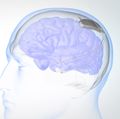
Responsive Neurostimulation System illustration
The responsive neurostimulation system, or RNS, is surgically placed within the skull and positions small wires into the area of the brain where the seizures begin. Continuously monitoring brain activity, the device delivers a small burst of electrical stimulation that can stop seizures before they begin, and reduce seizures over time. (Courtesy of Neuropace)
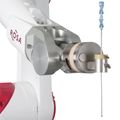
Rosa Brain robot
ROSA Brain is a surgical navigation and positioning system using robotic technology that allows surgeons to place electrodes, which detect seizures in the brain, without having to open a patient's skull or even shave a patient's head, as other traditional methods require. (Image courtesy of Zimmer Biomet)

ROSA Brain Overview
This video describes how the new ROSA robot assists neurosurgeons. (Zimmer Biomet)
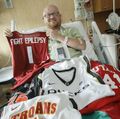
Bryan Black
Bryan Black, 34, uses a hand-held scanner to receive data from a device that monitors his brain activity. Black is the first patient in Oregon to undergo brain surgery with with an assist from a robot. The ROSA (Robotic Stereotactic Assistance) robot was utilized to place electrodes in Black's brain to treat epilepsy. (OHSU/Kristyna Wentz-Graff)
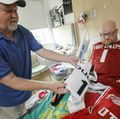
Bryan Black
Bryan Black, 34, uses a hand-held scanner to receive data from a device that monitors his brain activity. Black is the first patient in Oregon to undergo brain surgery with with an assist from a robot. The ROSA (Robotic Stereotactic Assistance) robot was utilized to place electrodes in Black's brain to treat epilepsy. (OHSU/Kristyna Wentz-Graff)
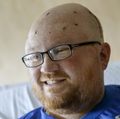
Bryan Black
Bryan Black, 34, uses a hand-held scanner to receive data from a device that monitors his brain activity. Black is the first patient in Oregon to undergo brain surgery with with an assist from a robot. The ROSA (Robotic Stereotactic Assistance) robot was utilized to place electrodes in Black's brain to treat epilepsy. (OHSU/Kristyna Wentz-Graff)
