
Clapping Along
New incentive metric for Oregon’s Coordinated Care Organizations will increase kindergarten preparedness through social-emotion services. The new metric, which begins January 2022, was developed by the Oregon Pediatric Improvement Program, Children’s Institute and the Oregon Health Authority. (Getty Images)

Oregon CCOs to focus on improving the social, emotional wellness of young children statewide

Prepping kids for the poke
From left, Kyrah and Kingston Baker-Bryan and Alex Williams wait in the kids' lobby area after getting their COVID-19 vaccination on Tues., Nov. 9, 2021, at Doernbecher Children's Hospital. Children ages 5-11 are now eligible for the vaccine after it was approved by the CDC and other health authorities. (OHSU/Christine Torres Hicks)

Prepping kids for the poke 2
OHSU's Henry Lin places a bandage on Emma Nguyen's arm after she received her first COVID-19 vaccine. Her father, Lam Nguyen, looks on. (OHSU/Christine Torres Hicks)

Dec. 2 forecast: COVID-19 hospitalizations continue to decline in Oregon
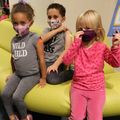
Prepping kids for the poke: Five ways to ease fear, anxiety before getting a vaccine
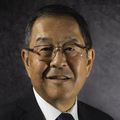
OHSU appoints Ronald Sakaguchi, Ph.D., D.D.S., M.B.A., dental school dean

Susan Hayflick MD awarded
Susan Hayflick, M.D., professor and chair of molecular and medical genetics, (right) OHSU School of Medicine, says the award from Global Genes for her rare disease research (foreground) recognizes her whole team including Suh Young Jeong, Ph.D., research assistant professor of molecular and medical genetics, who runs the Hayflick lab in Richard Jones Hall. (OHSU/Erin Hoover Barnett)

Susan Hayflick MD awarded 2
Susan Hayflick, M.D., professor and chair of medical and molecular genetics, (back row, fourth from left) and her lab in their zebra-print scarves, including Suh Young Jeong, Ph.D. (back row, third from left); Penny Hogarth, M.D. (middle row, fourth from left) and Allison Gregory, M.S., CGC (first row, third from left). The zebra print is associated with rare disease research when rare disease scientists hear hoofbeats, rather than horses, they think of zebras. (Courtesy photo, 2019)

