

Oregon Health & Science University is poised to make significant strides in growing and sustaining the Indigenous physician workforce with a new grant award from the Robert Wood Johnson Foundation.
The 18-month, $720,000 grant will enable OHSU to design and pilot the National Native American Centers of Excellence Collective, a collaborative initiative to address significant health disparities and workforce gaps impacting Indigenous communities.
The award formalizes a collective of medical schools from across the country to scale OHSU’s Northwest Native American Center of Excellence, or NNACoE, which was established in 2017 to increase American Indian and Alaska Native representation in healthcare professions.

“Sustainable workforce development begins with strong tribal partnerships rooted in trust, accountability, reciprocity and mutual respect. Grants can help us build the foundation, but institutional commitment is what ensures the work endures,” said Erik Brodt, M.D., associate dean for Native American Health and director of NNACoE. “This award reflects confidence not only in this initiative, but in the strength of our shared vision.”
The collective will bring OHSU’s unique and innovative physician training model to educational institutions across the country, centered around a post-baccalaureate pathway with conditional acceptance to medical school for citizens and members of federally recognized tribes.
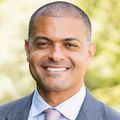
“Increasing Indigenous representation in medicine is key to tackling the healthcare needs for tribal communities in rural and frontier areas, who face significant barriers to both access and culturally competent care,” said OHSU President Shereef Elnahal, M.D., M.B.A. “We are also strengthened by the privilege of taking advantage of this vibrant community’s talent and contributions in serving patients and families across our great state.”
The OHSU School of Medicine will serve as the coordinating hub supporting shared curriculum, evaluation, faculty development and project coordination across the collective. Partners include UC Davis, Washington State University, University of New Mexico and University of Utah medical schools.
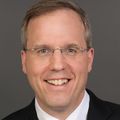
“At OHSU, we’ve been united by a shared belief that Native learners deserve every opportunity to thrive and lead,” said Nate Selden, M.D., Ph.D., dean of the OHSU School of Medicine. “This project is another opportunity to learn from one another, build on the progress already underway and work together toward a national vision that will create a lasting impact for generations of Native students, physicians and communities to come.”
Indigenous voices in medicine
American Indians and Alaska Natives experience higher rates of chronic disease and have lower life expectancies compared with the general population, and these gaps are exacerbated by persistent physician vacancy rates in health facilities serving these communities, Brodt says.
Despite Native medical students being more likely than their peers to serve rural communities and American Indian and Alaska Native patients in their careers, they remain disproportionally under-represented in medical schools. A persistent challenge, Brodt says, is that medical schools are not adequately designed for American Indian and Alaska Native faculty and medical student success and are not training enough physicians to meet the immense need in tribal health systems.
To address this, institutions require increased capacity to recruit and mentor Native faculty leaders who will champion efforts to expand enrollment and prioritize support for Native medical students.
The collective will focus on building institutional capacity, and, specifically, developing and training academic health leaders who are committed to advancing Indigenous medical education by driving transformational policy and long-term, sustainable systems change.
Collective vision to action
Brodt says the project’s goal is ambitious, but achievable: to reach 10% American Indian and Alaska Native enrollment at every partner medical school within the next decade.
OHSU’s model serves as a proof point that continued investment to support people, infrastructure and partnerships create long-term stability and lasting change. It has also demonstrated that the work succeeds when Native faculty leaders, staff and community partners remain at the center of decision-making and leadership.
Since 2017, Native medical student enrollment at OHSU has increased by tenfold. Today, OHSU is among the nation’s leading medical schools in both the number and percentage of Native medical students, with 37 Native students making up 5.54% of OHSU’s medical student body in 2025.
The impact of this work is meaningful and widespread: Greater representation and deeper relationships with tribal communities across academic medicine will help create opportunities for Native students and physicians and ultimately improve population health outcomes for generations to come.
“At OHSU, we’ve seen firsthand what is possible when institutions make a commitment to partnership, opportunity and student success,” Brodt said. “This collective allows us to share and build upon what works, rather than each of us going it alone. We’re excited and grateful to be on this journey together.”