
NIH taps OHSU to help improve reproductive health

Matthew Drake, M.D. (2018)
Matthew Drake, M.D., assistant professor of medicine (pulmonary and critical care medicine) in the OHSU School of Medicine. (OHSU/Kristyna Wentz-Graff)
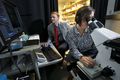
Asthma research
Researchers Matthew Drake, M.D. (left), and lab manager Emily Blum utilize a confocal microscope to generate three-dimensional imagery of airway nerves. Their research demonstrated that inflammatory cells can alter nerve structure in the lungs to cause asthma. (OHSU/Kristyna Wentz-Graff)

Asthma research
Researchers Matthew Drake, M.D. (left), and lab manager Emily Blum utilize a confocal microscope to generate three-dimensional imagery of airway nerves. Their research demonstrated that inflammatory cells can alter nerve structure in the lungs to cause asthma. (OHSU/Kristyna Wentz-Graff)

Excessive airway nerves tied to more severe asthma symptoms, study finds
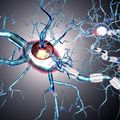
Study suggests potential of new therapy for progressive multiple sclerosis
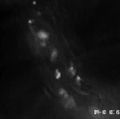
VIDEO DOWNLOAD: Cardio vein platelette
Video recorded through a microscope shows platelets (bright white orbs) moving through mice blood vessels and adhering to the vessel lining. New research from Dr. Jonathan Lindner and others explain how inflammatory cells and platelets more easily stick to the inner lining of arteries – particularly where there was already plaque – after mice had experienced a heart attack or stroke. Those cells and platelets caused plaque to become unstable and contribute to blood clots that led the mice to have another heart attack or stroke. OHSU

Antioxidant reduces risk for second heart attack, stroke
OHSU inactivates Heart Transplant Program until staffing needs are met

