
Twenty-week abortion bans may reduce quality of life, increase costs for some mothers
OHSU, CDC unravel mysterious eye infection
Portland Aerial Tram closed Feb. 15-19

Lissa Baird, M.D.
Lissa Baird, M.D., pediatric neurosurgeon at OHSU Doernbecher Children's Hospital. (OHSU)

Hydrocephalus: Four days post surgery
Jake Vinyarskiy, with his mom, Brandy Alexander, shares a big smile just four days after surgery to treat his hydrocephalus. OHSU Doernbecher Children’s Hospital offers ETV/CPC, a procedure that can spare patients from needing a shunt. (Vinyarskiy family photo)
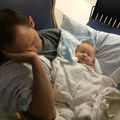
Hydrocephalus: ETV Recovery[1]
Serge Vinyarskiy cradles his son, Jake, in the hospital after Jake’s surgery for hydrocephalus in August 2014. (Vinyarskiy family photo)
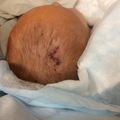
Hydrocephalus: ETV Incision
Brandy Alexander says Jake’s incision was so small that Nicholas, then 2, didn’t even notice it. Jake “ended up doing amazingly” after surgery, Alexander says. (Vinyarskiy family photo)
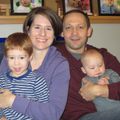
Hydrocephalus: Family then
Brandy Alexander and her husband, Serg Vinyarskiy, hold their sons, Nicholas Vinyarskiy (left) and Jake Vinyarskiy, when they were still living in the Portland area. (Vinyarskiy family photo)

Hydrocephalus: Family today
Serg Vinyarskiy (from left) and his wife, Brandy Alexander, take a selfie with their sons, Nicholas and Jacob Vinyarskiy. Jacob, who goes by Jake, is thriving after surgery at OHSU Doernbecher Children’s Hospital in 2014 to treat his hydrocephalus. (Vinyarskiy family photo)

Hydrocephalus: Jake & Nicholas today
Brothers Jake, 3, and Nicholas Vinyarskiy, 5, live with their parents in Austin, Texas, where the family relocated from the Portland area. Jake, who remains shunt-free, is a “ball of fire,” his mom says. “He loves doing anything my older one does.” (Vinyarskiy family photo)
